Back Pain in Children: Why Daily Movement Matters
October 3, 2026
Paul Ebenezer, RN, RM, MSN
Written and medically reviewed by Paul Ebenezer, RN, RM, MSN (Registered Nurse, MSc Nursing).
Experts are seeing more back, neck and shoulder pain in schoolchildren. Long hours of sitting and less outdoor play are part of the picture. Here is what parents and schools can watch for, and simple steps that help.
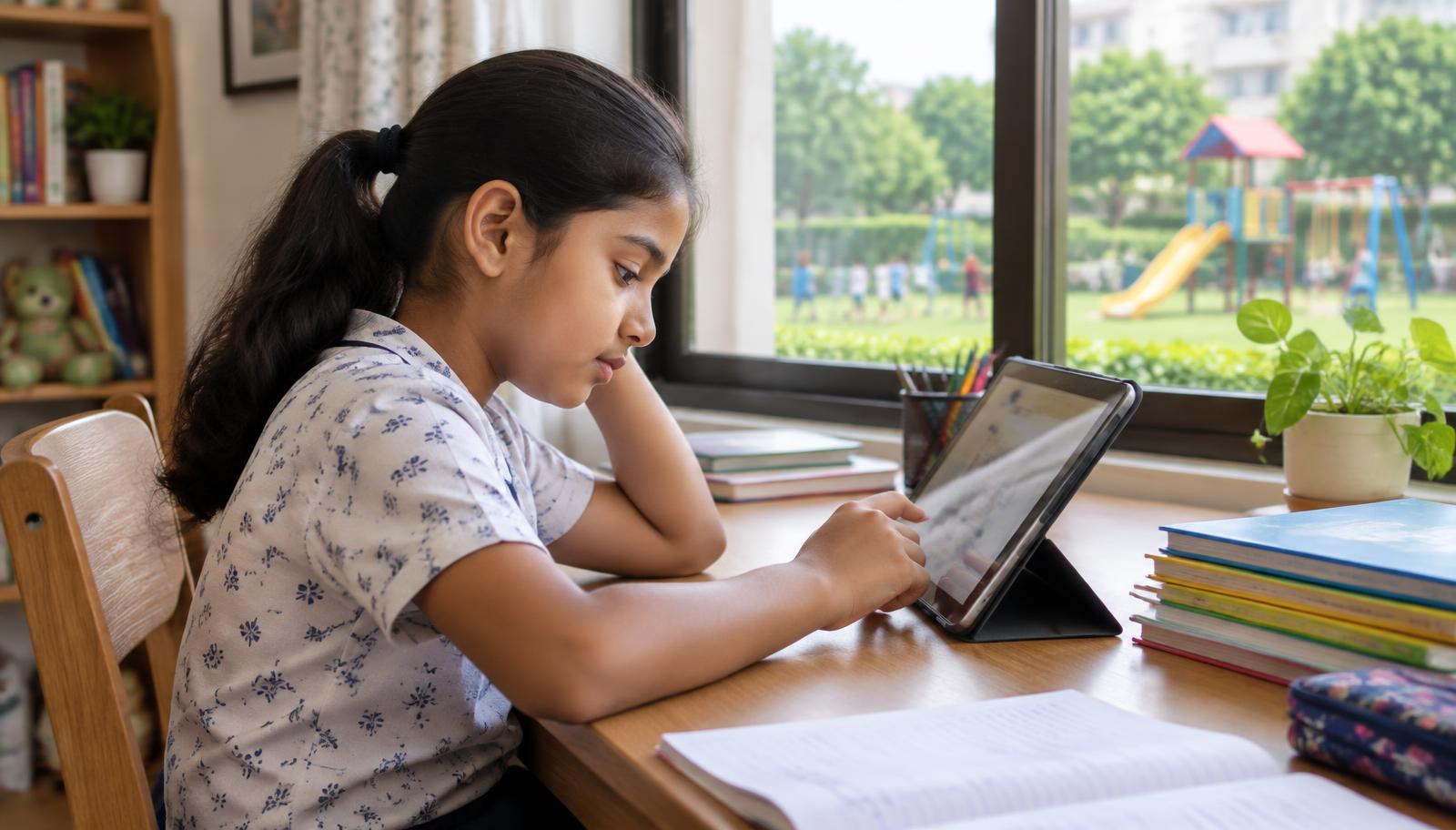
Back pain is no longer only an adult complaint. Doctors and physiotherapists in India are reporting more schoolchildren with neck, shoulder and lower-back discomfort, and long hours of sitting with phones, tablets and laptops are a big part of the picture.
What may be contributing
- Long stretches of sitting, at school and again at home for homework and screen time
- Less outdoor play and everyday physical activity
- Slouched or forward-head posture while using devices
- Reduced strength and flexibility in the back, hips and legs
- Sports or exercise started suddenly, without enough warm-up or gradual build-up
Heavy school bags are often blamed, but experts say they are only one factor. The bigger issue is how little children move during the day and how long they stay in one position.
Signs parents and schools can notice
- Complaints of neck, shoulder or lower-back discomfort
- Stiffness or tightness, especially after sitting
- Reduced flexibility, such as difficulty touching the toes
- Changes in posture, like rounded shoulders or a forward head
- Flat feet or discomfort while standing and walking
Simple steps that help
- Encourage children to change position regularly and take short movement breaks
- Make time for outdoor play every day
- Set up a comfortable study space with the screen at a better height
- Build up sports and exercise gradually, with a proper warm-up
- Schools can support movement education, posture awareness and early identification of problems
When to seek help
Occasional aches after a long day are common. But pain that keeps coming back, gets worse, or comes with other symptoms deserves a medical check. Seek prompt medical advice if a child has back pain along with weakness, numbness, fever, unexplained weight loss, or any change in bowel or bladder control.
This article is for general awareness and is not a diagnosis or a substitute for medical advice. If you are worried about a child's pain, please consult a qualified doctor.
Source note: This article draws on reporting by the Times of India on experts flagging a rise in musculoskeletal problems among schoolchildren, including findings from studies in Delhi, Bhopal and Odisha.